Selected case studies · 2014 - 2025

Systems built to outlast. Still in production.

Four case studies, selected from 19+ years of work, that show how I build and rebuild systems that stay in production.

One I originated from a recurring client question. Another came from a business-model shift. A third was a national programme. The fourth had failed so badly it had to be rebuilt from scratch. Each shipped, scaled, and outlasted the conditions that created it.

Case 01

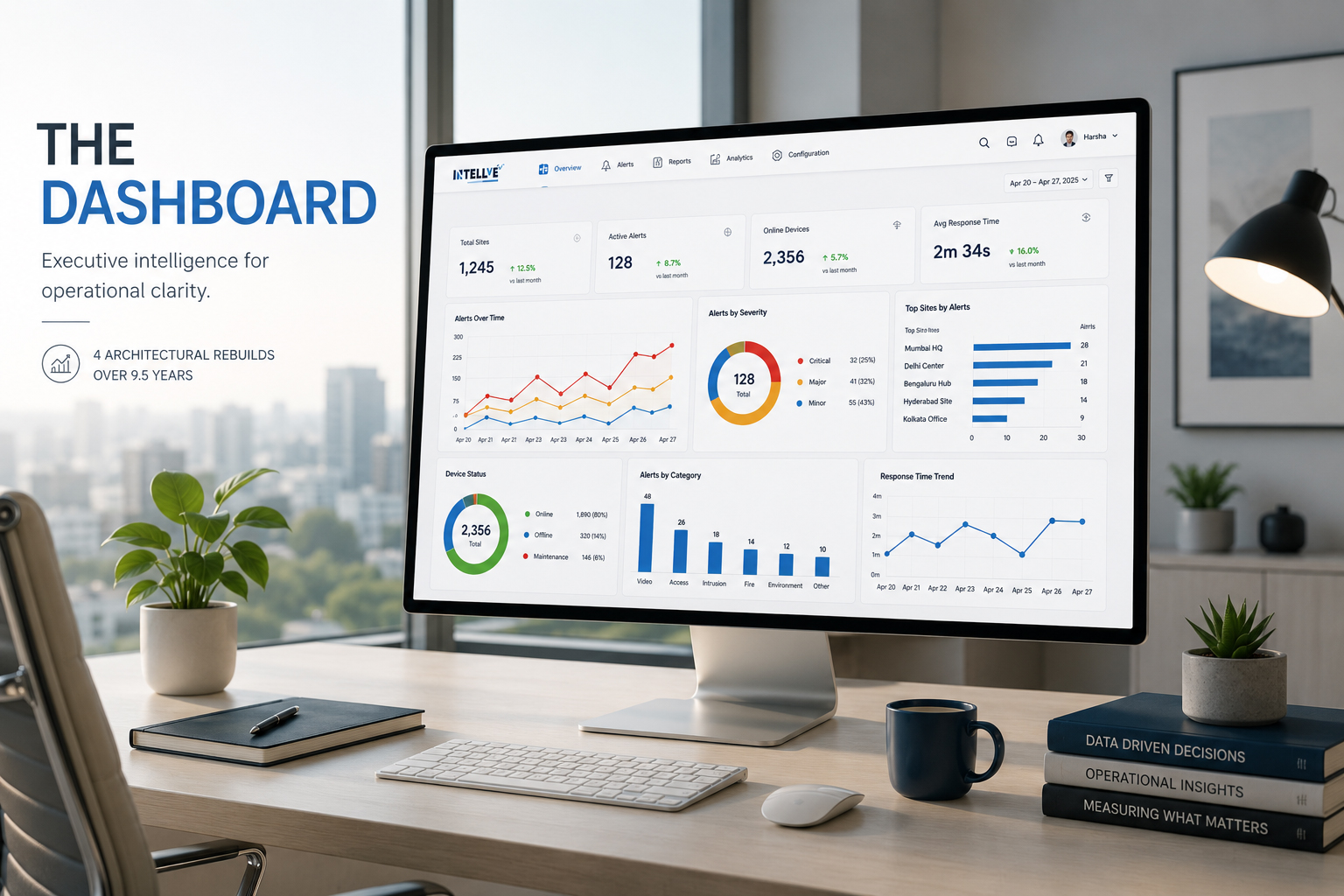
The Dashboard

Executive analytics platform for any data source; became one of the top ARR products.

4 phases · Embedded Standalone Web Configurator · 9.5 years
0 1 build Solo 5-person team
Recurring / mo₹27–28L
Widgets700+
In production9.5 yrs
Leadership signal

I originated it from a recurring client question, then built the team to scale it, making the business case for every hire myself and growing front-end recruits into owners of the codebase. The architecture I set let one front-end developer maintain it years after I left.
Read case study
The Dashboard
Case 02

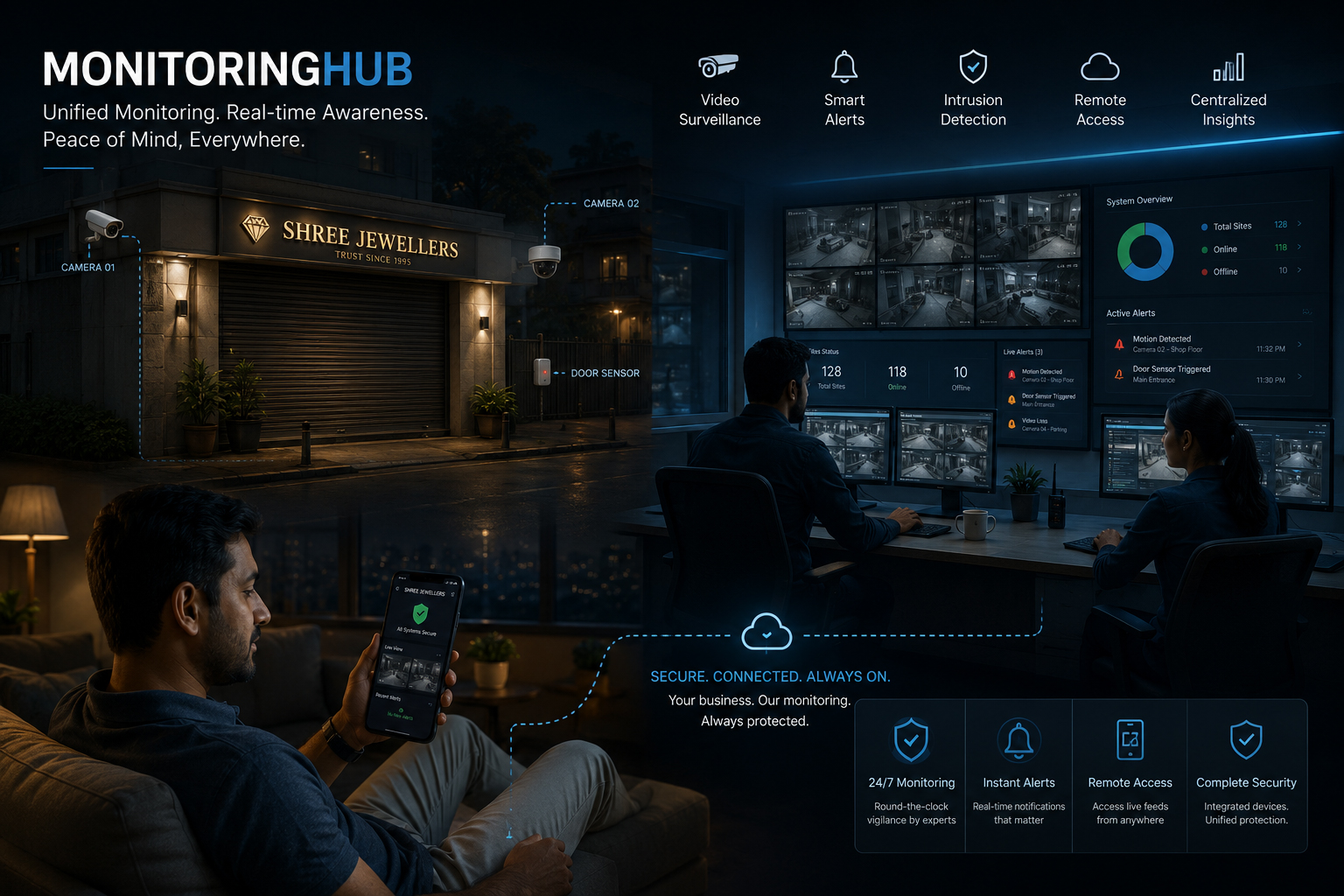
MonitoringHub

First SaaS cloud-based integrated monitoring platform; unlocked a new market.

Project revenue SaaS
0 1 build Field research
Recurring / mo₹7–8L
In production5 yrs
Company firstSaaS
Leadership signal

When the owners pushed for recurring revenue, I made the case early: projects are wells; subscriptions are rivers. So I built it from our own domain. Then I did the field research myself, on weekends, and let it reshape the product. I gave up my own mobile-first pitch when web-first proved the better call.

Read case study
MonitoringHub
Case 03

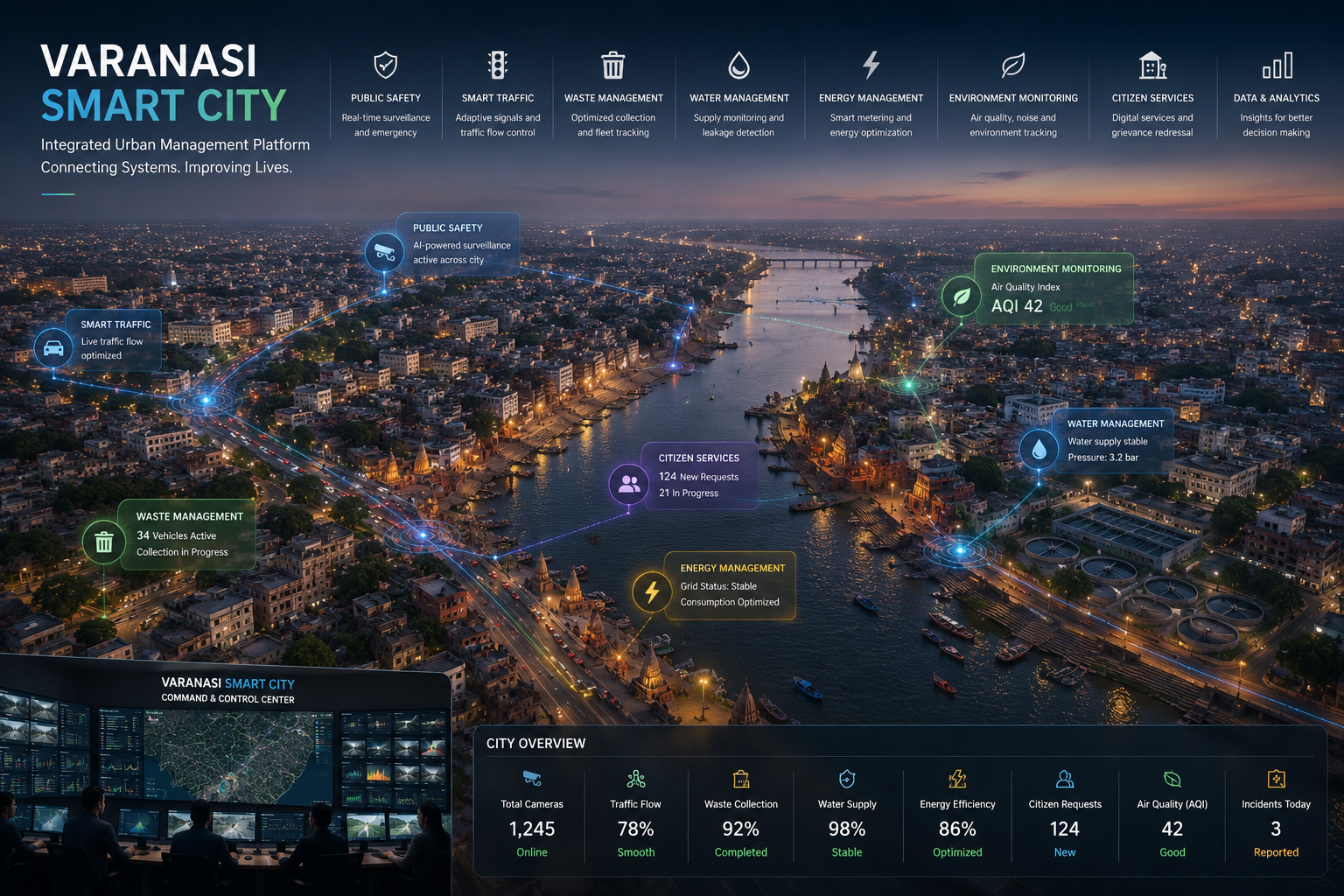
Varanasi Smart City

Unified multiple systems into one platform for Varanasi Smart City CCMS; live since 2019.

A city of millions.  Secured and managed from one operator surface.
System of systems Sole UX
Major systems7
Inaugurated byPM of India
In production6+ yrs
Leadership signal

Seven modules, each owned by a different city department with its own workflow, had to feel like one system. I set a single structural pattern: the same table-and-map view across every module. An operator trained on one could run any of them. That is systems leadership, not screen design.

Read case study
Varanasi Smart City
Case 04

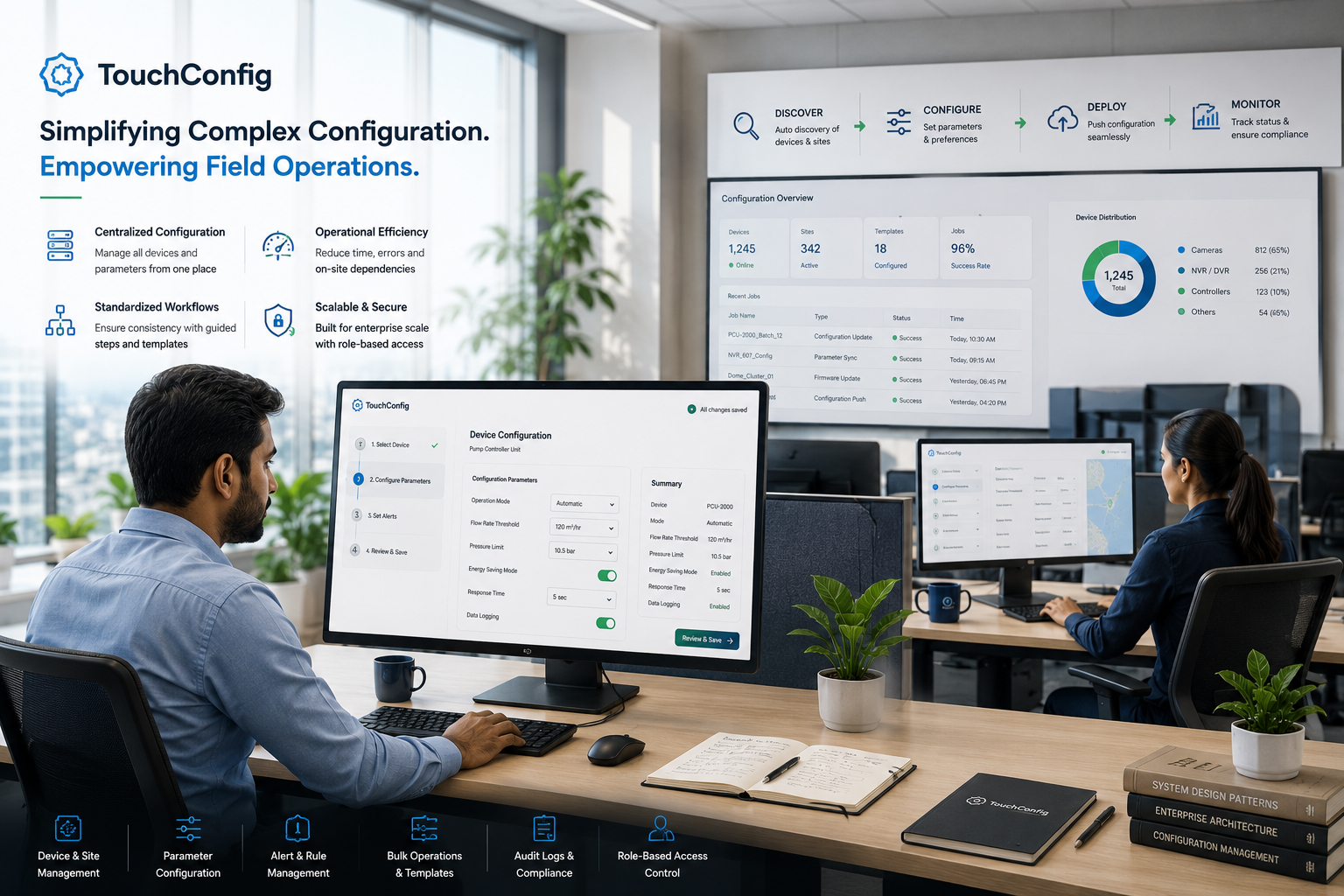
TouchConfig Redesign

Scrapped a broken configuration tool, rebuilt it from scratch and owned it.

First version in three months.  Built with a single developer.
Rebuilt from scratch WPF Desktop
Zero rebuild8+ yrs
Screens200+
Layout types3
Leadership signal

I made the case for the rebuild as a commercial risk, not a usability complaint: deploying a broken tool to paying clients would have damaged our credibility. The architecture and modular system I built are still running today, unchanged. The right call holds up under time, not just at approval.

Read case study
TouchConfig Redesign